Istanbul Nomads
Loading
Loading page contentThe global nomad trend is shifting from fast travel to slow stays. Here's why Istanbul is built for slowmads - and what changes when you stop passing through.
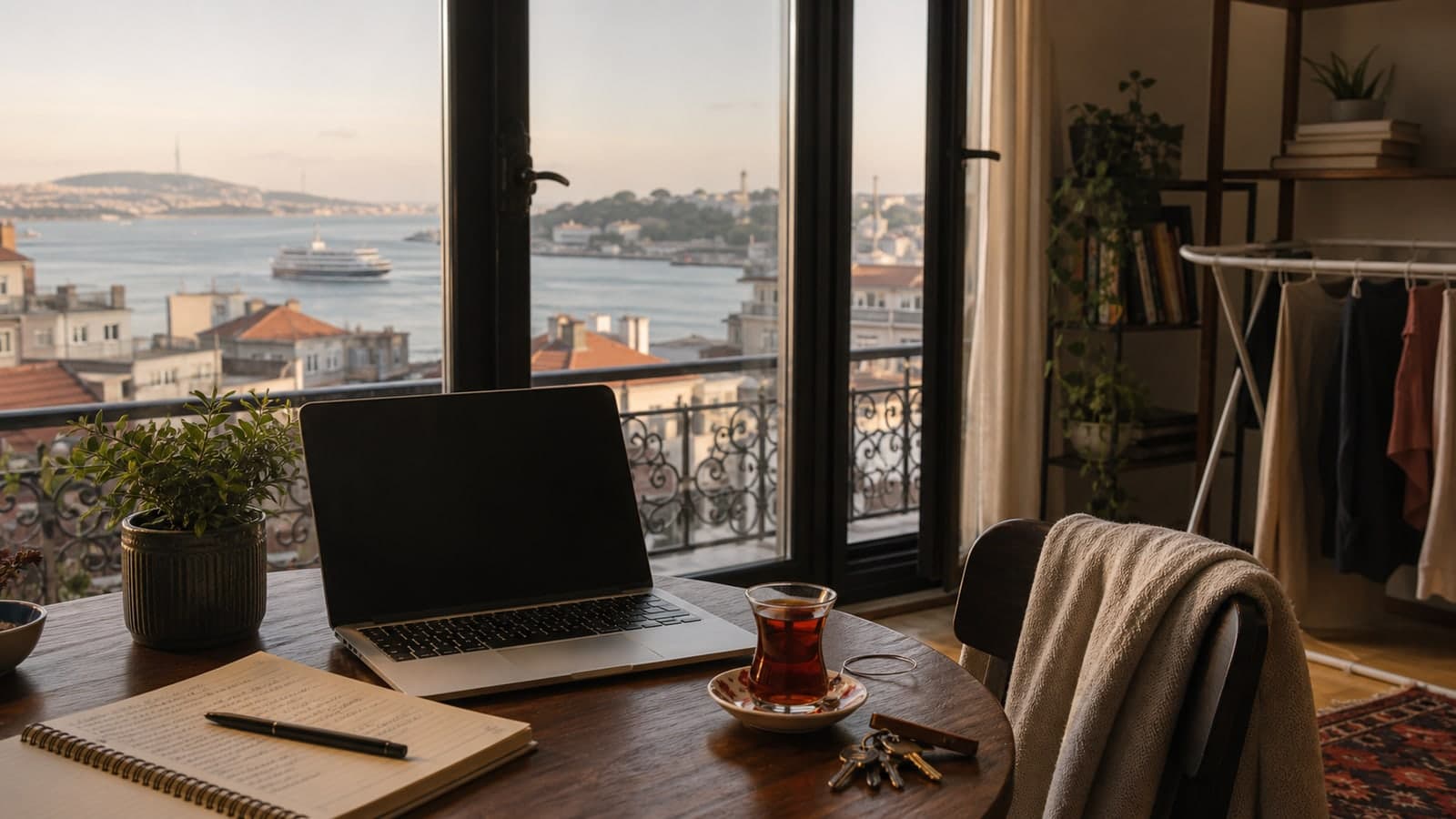
The global nomad population kept climbing through 2025, with most tracking estimates putting it in the tens of millions. But the bigger shift wasn't the headcount. It was the pace.
The data shows a strong move toward what the community calls "slowmading" - staying 3 to 12 months in each place instead of hopping countries every few weeks. Mid-career professionals, couples, and people with actual work to do are replacing the backpacker-with-a-laptop archetype.
Istanbul is one of the cities benefiting most from this shift. And having watched our community grow from 10 members to over 500, I can tell you exactly why.
The first month in any city is orientation mode. You're figuring out the metro, testing cafes, comparing neighborhoods. Everything is novel. You're a tourist who happens to work.
Month two is when Istanbul starts working for you.
You have a neighborhood you understand. A coworking spot where people recognize you. A lokanta where the owner knows your order. A ferry schedule memorized. The city shifts from overwhelming to readable.
By month three, you have something most nomads never build: local texture. You know which side of the ferry has better views on a Tuesday morning. You know the barista at Petra Roasting makes a better flat white than the one at Federal. You know that the Besiktas market on Saturday has cheaper avocados than Kadikoy.
This is the stuff that turns a city from "a place you stayed" into "a place you lived."
Short-stay nomads in Istanbul spend more per day than slowmads. Here's why:
| Expense | Short stay (Airbnb, 1 month) | Slowmad (local rental, 3+ months) |
|---|---|---|
| Rent (1BR Kadikoy) | ~30,000 TL ($667) | ~18,000 TL ($400) |
| Coworking | Day passes ~80 TL/day | Monthly 490 TL ($11) |
| Food | Restaurants daily | Mix of cooking + lokanta |
| SIM card | Tourist SIM 530 TL | Same SIM, cheaper renewals |
| Monthly total |
The price drop comes from three things: local-rate rent (not Airbnb markup), monthly memberships instead of day passes, and cooking at home with groceries from the weekly pazar. Our cost of living guide breaks this down in full detail.
Turkey's visa structure actually rewards longer stays:
Most slowmads do one of two patterns:
Here's something no guide can fully capture: the compound effect of showing up regularly.
When you attend our weekly coworking sessions 8-10 times instead of once, you go from "the new person" to "someone people reach out to." Dinner invitations, weekend trips to Princes' Islands, tips on the best immigration lawyer - these come from repeated presence, not one-time attendance.
Our Telegram group has 500+ members, but the active core is the people who stayed more than two months. They're the ones who answer questions, organize impromptu dinners, and help newcomers avoid mistakes.
If you're planning 3+ months, here's what to prioritize:
No guide is complete without the trade-offs:
Istanbul isn't a weekend destination for nomads. It's a city that rewards investment. The longer you stay, the better the return - in quality of life, cost efficiency, community depth, and personal attachment.
If you're thinking about Istanbul, plan for three months minimum. You'll likely stay longer.
| ~$700-$1,000 |